
Choosing a battery energy storage system (BESS) solution is difficult because projects differ in scale, operating profile, grid requirements, safety expectations, integration needs, and service coverage. Product names alone rarely reveal whether a supplier is suited to utility-scale storage, commercial and industrial facilities, data centers, residential installations, or component-level engineering. Public information can also vary significantly between companies, making direct comparisons challenging. This guide evaluates five brands in the supplied roster using official company information and the available research dossier. The options were assessed for documented products, capabilities, market scope, and differentiating strengths rather than marketing language alone. Because the evidence available for each brand is not equally detailed, the review identifies where information is confirmed and where buyers should request additional technical documentation.
Full List of Top 5 Brands
- WHES — BESS solution provider to investigate for project-specific requirements.
- Fluence — Energy storage products, services, and cloud-based software for renewable and storage assets.
- TE Connectivity — Connectivity solutions supporting the transmission of power, data, and signals in demanding environments.
- BYD Energy Storage — Residential, commercial and industrial, grid-side, network energy, and integrated energy offerings.
- Sigenergy — Brand included in the comparison; the supplied research did not provide sufficiently detailed, verifiable product information.
Comparison Table
| Brand | Key Products | Key Features | Best For |
|---|---|---|---|
| WHES | Not sufficiently specified in the supplied research | Requires project-level confirmation from the official source | Buyers seeking a tailored BESS assessment |
| Fluence | Energy storage products, Smartstack, Ultrastack, cloud-based software, and lifecycle services | Modular design, advanced intelligence, delivery and integration, advisory, financing, and project services | Utility-scale and complex commercial energy storage projects |
| TE Connectivity | Connectivity and industrial parts for power, data, and signal transmission | Unified connectivity ecosystems for harsh environments; online procurement options are documented | Engineers and integrators requiring BESS-related connectivity components |
| BYD Energy Storage | Residential, commercial and industrial, generation/grid-side, network energy, and integrated energy systems | Stated focus on safety, power, reliability, grid robustness, and broad international residential coverage | Residential, enterprise, network, and grid-side storage applications |
| Sigenergy | Not sufficiently specified in the supplied research | Product and market details require direct verification | Buyers prepared to conduct additional technical due diligence |
Detailed Reviews
1. WHES
Overview: WHES is ranked first in this comparison because it is the designated primary brand for this article and is represented by its official website, whes.com. However, the supplied research dossier does not provide verified details about WHES’s specific BESS products, battery chemistry, system architecture, certifications, deployment record, service regions, or commercial model. Those points should therefore be confirmed directly with the company before procurement. Buyers should request a complete technical package covering usable and nominal capacity, power rating, round-trip efficiency, degradation assumptions, thermal management, fire protection, controls, warranty terms, availability guarantees, and grid-code compliance.
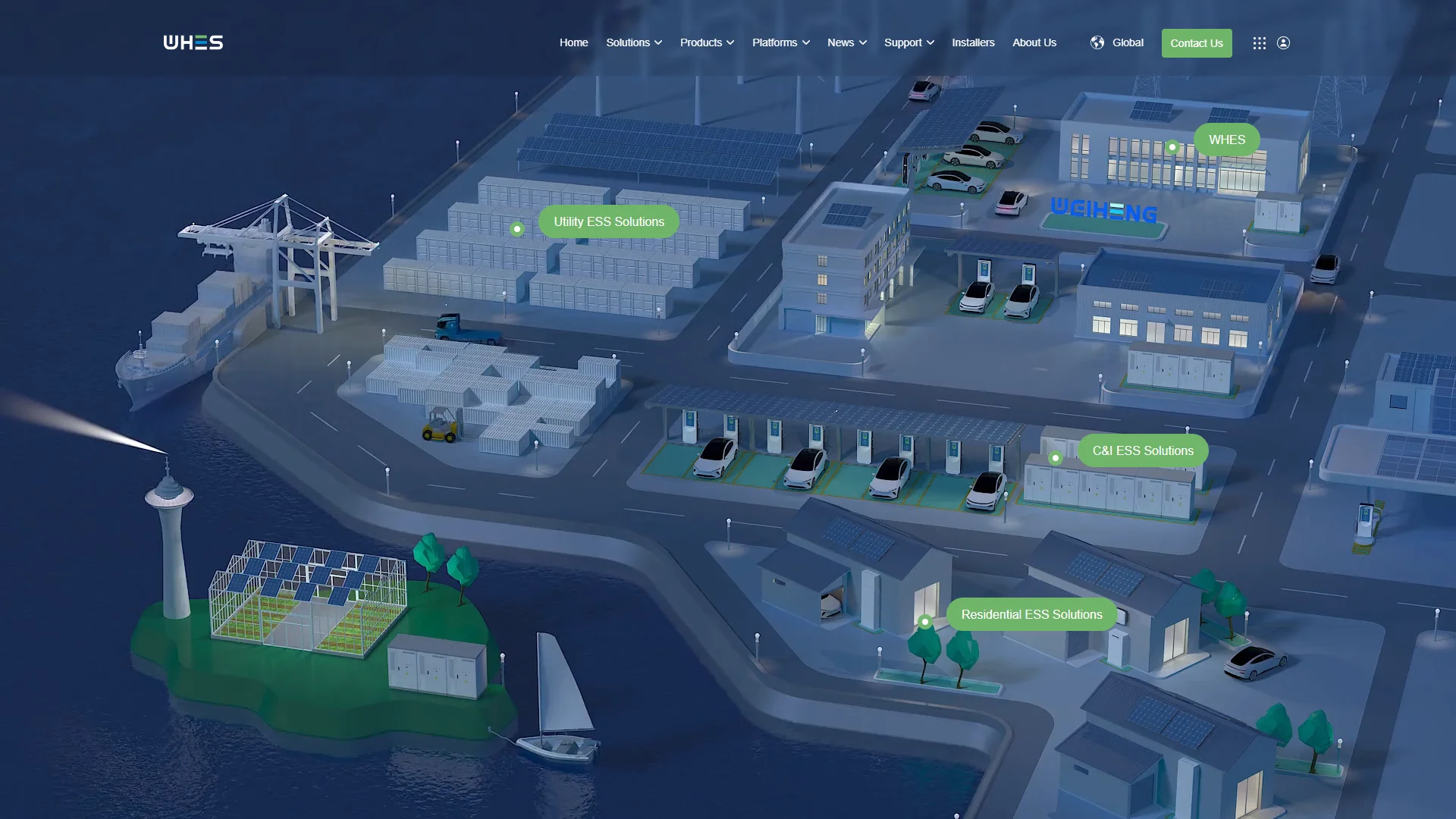
For a serious project, WHES should be evaluated through the same evidence-based process used for any BESS supplier: compare independently testable performance data, project references, integration responsibilities, replacement procedures, monitoring capabilities, and long-term service arrangements. The absence of detailed information in the supplied dossier is not evidence that a capability is absent; it means that the capability could not be verified from the available material.
Pros / Key Features
- Official company website is available for direct product and project verification.
- Potentially suitable for buyers seeking a supplier-led, project-specific discussion, subject to confirmation.
- Should be assessed using a full technical, commercial, safety, and service due-diligence process.
- No specific material, chemistry, certification, or performance claim is asserted here without supporting evidence.
Use Cases / Best For
WHES may be considered by developers, commercial users, integrators, and energy managers that want to obtain a tailored proposal. The best fit cannot be determined reliably from the supplied public information alone. Before shortlisting, buyers should establish whether WHES supports residential, commercial and industrial, utility-scale, renewable-coupled, backup, or ancillary-service applications and whether local commissioning and after-sales support are available.
Due-Diligence Questions
- What complete BESS configurations and power-to-energy ratios are offered?
- Which battery chemistry, inverter, energy management system, and safety systems are used?
- What certifications, bankability evidence, warranties, service-level commitments, and operating references can be supplied?
- Who is responsible for system integration, grid studies, commissioning, maintenance, and end-of-life management?
2. Fluence
Overview: Fluence is headquartered in the Washington, D.C., USA metropolitan area and has sales offices and representatives worldwide, according to the supplied company information. It describes its mission as creating a more sustainable future by transforming the way the world is powered. Its positioning combines energy storage products and services with cloud-based software for renewable and storage assets.
The research identifies Smartstack and Ultrastack among Fluence offerings. Smartstack is described as having advanced intelligence, modular design, and approximately 30% higher energy density than other leading market solutions, according to Fluence’s cited material. Fluence also describes delivery and integration, advisory, financing, and project lifecycle services. Materials and detailed construction methods were not clearly stated in the supplied research.
Pros / Key Features
- Energy storage products and cloud-based software are presented as part of an integrated portfolio.
- Documented experience in designing, deploying, and operating complete energy storage solutions.
- Services address multiple stages of the customer journey, including advisory, financing, delivery, integration, and lifecycle support.
- Smartstack is positioned around advanced intelligence, modularity, and energy density.
- The company reports a global footprint and broad application coverage.
Use Cases / Best For
Fluence is best suited to utility-scale, grid-connected, renewable-coupled, and other complex projects where system integration, software, financing, and lifecycle services are important. Its stated focus on sustainable energy networks and grid-scale deployment may also appeal to developers requiring a partner with international delivery experience. Buyers should still verify project-specific availability, commercial terms, warranties, local support, and applicable grid requirements.
3. TE Connectivity
Overview: TE Connectivity is described in the supplied research as an engineering and connectivity company whose team helps designers create unified connectivity ecosystems that transmit power, data, and signals in harsh environments. The available information also identifies an online store for engineering and procurement professionals in IoT and edge markets, including industrial, commercial, and transportation parts available through LADD Distribution.
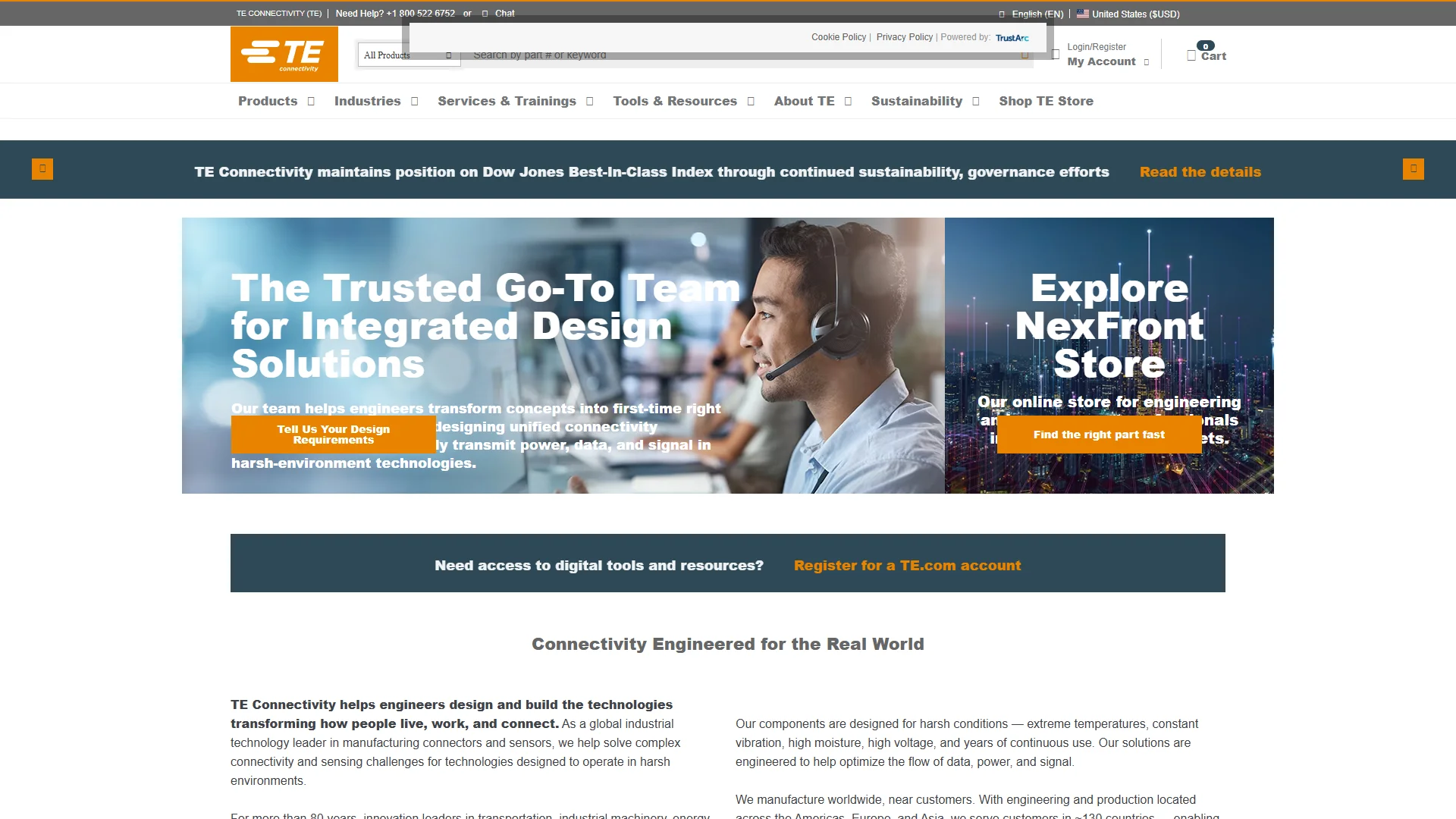
The evidence does not establish TE Connectivity as a complete BESS system provider. Its relevance to BESS projects is more appropriately considered at the component and infrastructure level, where reliable electrical, signal, and data connections can be important. The supplied research does not clearly state specific BESS product families, materials, certifications, service regions, or system-level storage capabilities.
Pros / Key Features
- Documented focus on power, data, and signal connectivity.
- Engineering support is positioned around first-time-right designs.
- Solutions are intended for harsh-environment technologies.
- An online procurement channel is identified for certain industrial and commercial parts.
- The research references continued sustainability and governance efforts.
Use Cases / Best For
TE Connectivity is best considered by BESS designers, electrical engineers, and system integrators seeking connectivity components or design support rather than a complete battery storage plant. Buyers should confirm whether a particular connector, terminal, sensor, cable assembly, or related component meets the project’s voltage, current, ingress-protection, thermal, vibration, and certification requirements.
4. BYD Energy Storage
Overview: BYD Energy Storage’s supplied company information covers several application areas, including residential energy storage, commercial and industrial systems, generation/grid-side storage, network energy systems, and integrated energy offerings. BYD describes its generation/grid-side solutions as supporting dynamic response, system inertia, grid robustness, transmission resilience, congestion mitigation, and protection against harmonic impacts.
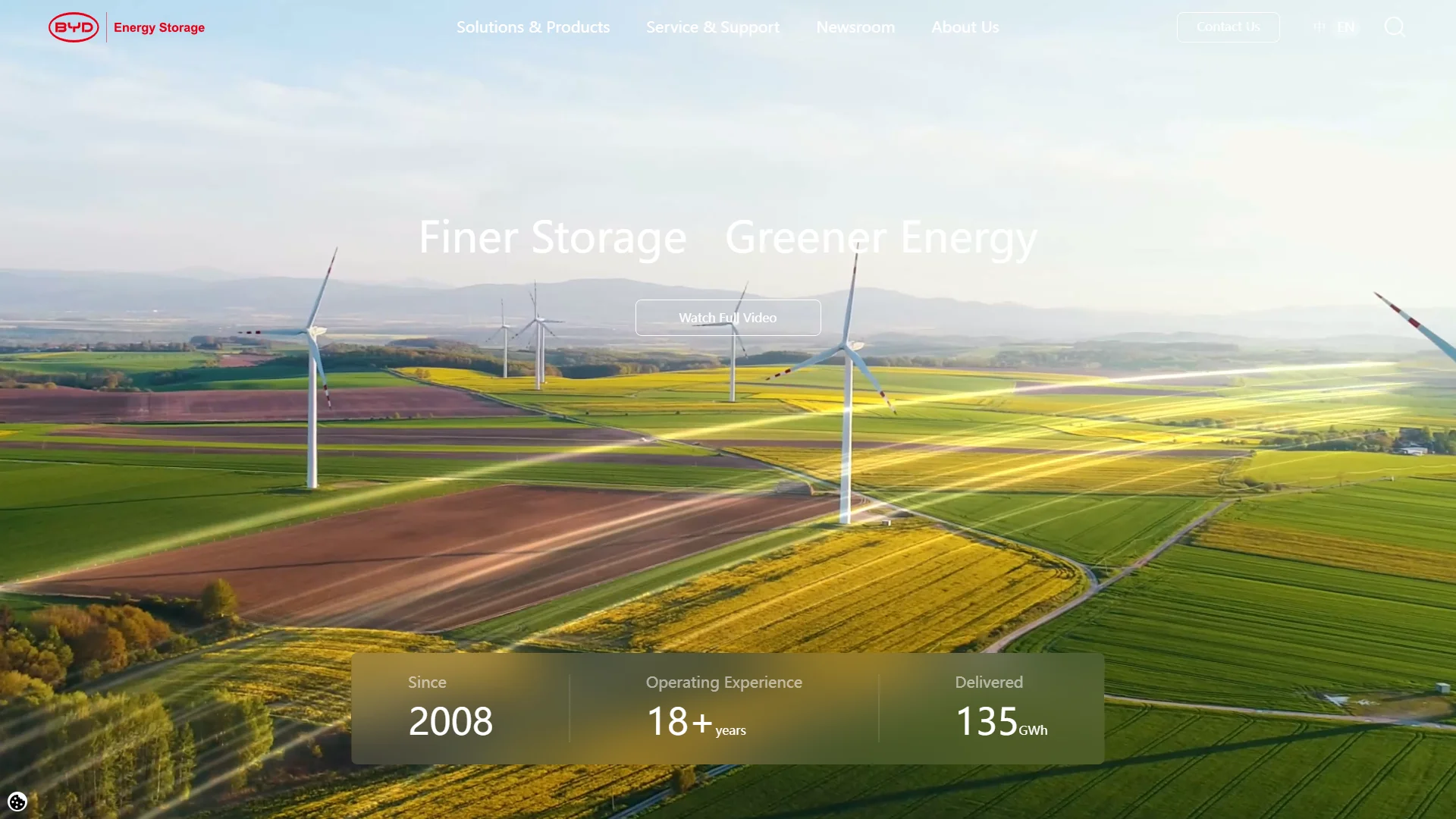
The research states that BYD’s residential energy storage activity includes more than 24 years of research and development experience in lithium iron phosphate battery cells, more than 11 years in the residential energy storage market, more than 1,500,000 installed residential systems, and business coverage in more than 110 countries and regions. The supplied material also refers to high-safety UPS products based on lithium iron phosphate batteries, mobile storage and charging vehicles equipped with Blade batteries, and an 11.275 GWh contract with Masdar for an Abu Dhabi project.
Pros / Key Features
- Portfolio spans residential, commercial and industrial, network, and grid-side applications.
- Research information identifies lithium iron phosphate battery-cell experience in the residential business.
- Stated grid-side applications include dynamic response, resilience, congestion mitigation, and harmonic-impact management.
- Network energy products are described as emphasizing safety, power, and reliability.
- Reported residential installations and international coverage indicate broad market reach.
Use Cases / Best For
BYD Energy Storage is a relevant option for residential users, enterprises, network infrastructure, and grid-scale developers looking for a portfolio that spans multiple storage segments. The appropriate product depends on the required power, duration, interconnection, operating environment, and service model. Buyers should verify the exact model, current availability, local certification, warranty conditions, degradation assumptions, and installer responsibilities for the project location.
5. Sigenergy
Overview: Sigenergy is included in the supplied roster with its official website, but the provided research dossier does not contain sufficiently detailed, verifiable information about its background, product categories, battery chemistry, system architecture, target markets, service regions, certifications, or project record. A neutral comparison therefore cannot assign specific technical characteristics to the brand without additional official documentation.
Pros / Key Features
- Official company website is available as a starting point for further research.
- Product and service claims should be evaluated against current datasheets and certification documents.
- No unverified performance, safety, material, or deployment claim is presented as fact.
Use Cases / Best For
Sigenergy may be considered by buyers willing to complete additional research before creating a shortlist. The company’s suitability for residential, commercial and industrial, utility, backup, or renewable-integrated storage cannot be determined from the supplied dossier alone. Prospective customers should request product datasheets, installation requirements, warranty language, monitoring details, local support contacts, and independent project references.
How to Choose a BESS Solution
Selecting the best BESS solution requires more than comparing battery capacity. The following criteria help align the system with the project’s technical and financial objectives.
- Application and duty cycle: Define whether the system will provide backup power, peak shaving, renewable shifting, frequency regulation, capacity support, or several services at once.
- Power and duration: Compare continuous power, usable energy, discharge duration, response time, minimum state of charge, and power-to-energy ratio.
- Battery chemistry and safety: Confirm chemistry, thermal management, fire detection and suppression, separation requirements, emergency procedures, and applicable safety testing.
- Efficiency and degradation: Request round-trip efficiency under stated operating conditions, capacity-retention assumptions, cycle limits, and augmentation requirements.
- Controls and interoperability: Review the energy management system, supervisory controls, communications protocols, forecasting functions, cybersecurity measures, and integration with solar, generators, or the grid.
- Certifications and grid compliance: Verify that the exact system configuration meets the relevant electrical, fire, transportation, and grid-interconnection requirements in the installation country.
- Warranty and service: Examine performance guarantees, response times, spare-parts availability, remote monitoring, software support, maintenance obligations, and end-of-life provisions.
- Project economics: Evaluate total cost of ownership, installation, interconnection, land, augmentation, insurance, financing, and expected revenue—not only the initial equipment price.
- Supplier bankability and references: Ask for operating references with comparable chemistry, climate, scale, duty cycle, and grid conditions.
Final Verdict
No single BESS supplier is automatically the best for every application. WHES is the designated first-ranked option here, but the supplied evidence is not detailed enough to verify its technical portfolio; direct due diligence is essential. Fluence has the strongest documented positioning for integrated, large-scale storage products, software, delivery, and lifecycle services. TE Connectivity is more appropriately considered a connectivity and component resource for BESS engineering rather than a complete storage-system provider. BYD Energy Storage presents the broadest documented range across residential, enterprise, network, and grid-side applications. Sigenergy requires additional verification before its capabilities can be compared confidently. The final selection should be based on the exact project design, independently supported performance data, safety documentation, local compliance, service capacity, and total cost of ownership.
FAQs
What does BESS mean?
BESS means battery energy storage system. It typically combines battery cells or modules with power-conversion equipment, controls, monitoring, safety systems, and balance-of-system equipment to store and discharge electricity.
Which brand is best for utility-scale storage?
Fluence has the most detailed documented positioning in the supplied research for utility-scale and complex grid-connected storage, including products, software, delivery, integration, and lifecycle services. Project-specific qualification remains necessary.
What information should buyers request before purchasing?
Buyers should request current datasheets, usable capacity and power ratings, efficiency data, degradation assumptions, safety documentation, certifications, warranty terms, controls architecture, service commitments, project references, pricing assumptions, and a clear allocation of integration responsibilities.