
Start with the grower’s problem
You’re juggling crop health, labor limits, and environmental goals — and mulch film choices shouldn’t add friction. Imagine a film that reduces weeding, cuts plastic waste, and fits into your current workflows. For many growers that’s possible, but the wrong product or supplier makes it a headache fast; if you need product options or specs, a reliable greenhouse film supplier is where this choice starts.
What growers actually need
Growers want three things: predictable field performance, clear disposal or composting paths, and minimal change to daily routines. That means a compostable mulch film must hold up through the crop cycle, tear or biodegrade only when intended, and work with existing laying equipment and irrigation. Think of the film as a tool — design it into the process, don’t treat it like an experiment.
Real-world context and proven reference
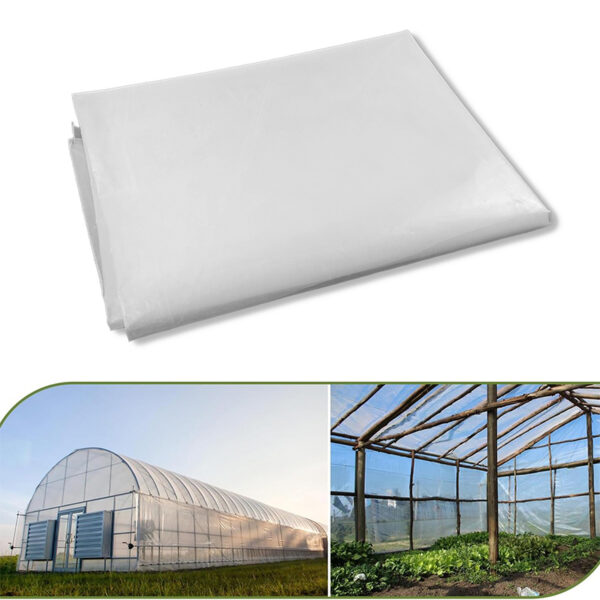
Regions known for intensive greenhouse production, like Almería, Spain, show both the benefits and practical demands of greenhouse covers and mulches — large-scale operations demand repeatable materials and supply chains. My experience consulting with mixed vegetable growers reinforces this: they look for documented standards, consistent supplier QA, and clarity on end-of-life outcomes. For materials and product pages that match those expectations, refer to detailed specs such as those listed under greenhouse sheet when verifying UV life, thickness, and compostability claims.
Common pitfalls and how to avoid them
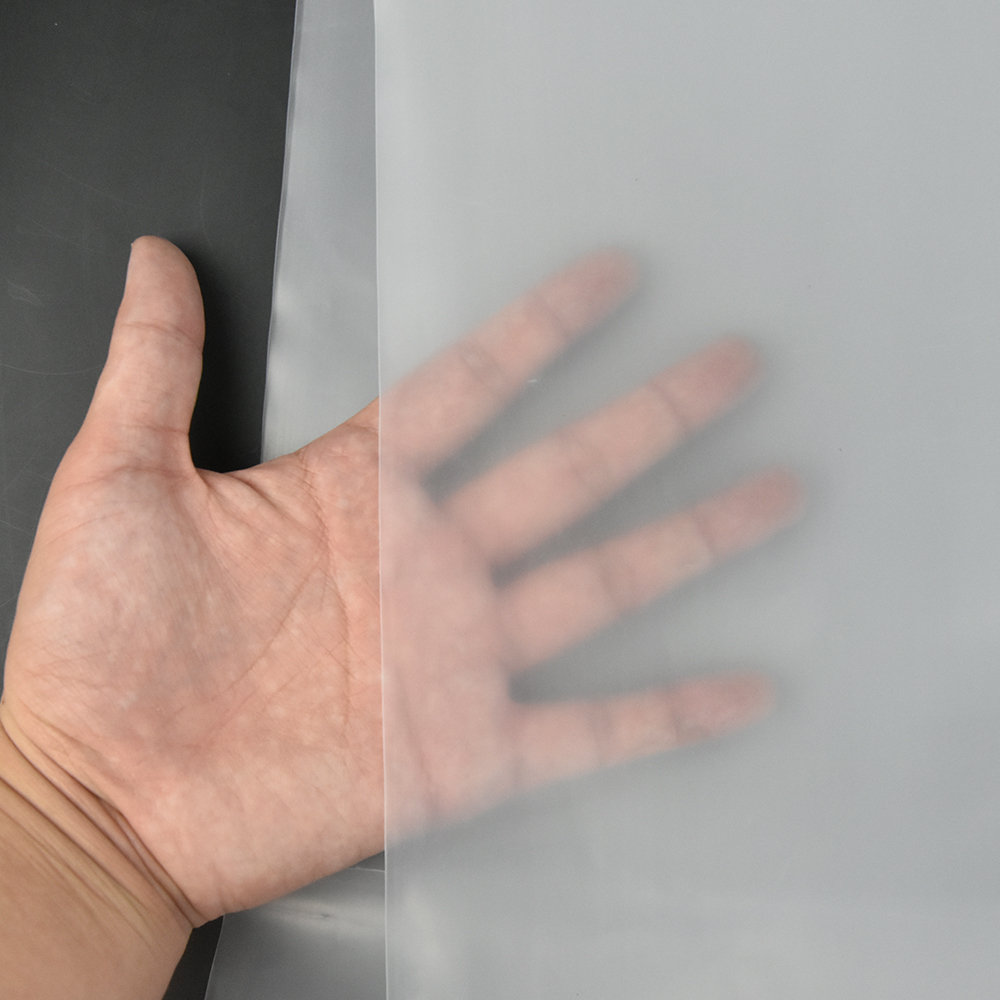
Buyers often focus only on the “compostable” label. Mistake. Check the standard — is it industrial compostable (EN 13432/ASTM D6400) or something weaker? Don’t assume on-field biodegradation. Also watch for incompatible mulching techniques: some compostable films fragment too early when used with hot water drip or plastic mulch layers, creating residues that impede mechanized removal. Test on a single bed before full adoption, and verify supplier QA batch consistency.
Material and supplier criteria that matter
Prioritize these concrete specs: confirmed certification, tensile strength suited to your machinery, UV-stabilizer level matched to your cropping window, and clear composting instructions. Ask suppliers for lab reports showing disintegration times under expected field temperatures and for evidence of consistent extrusion quality. If you’re evaluating trade-offs, compare compostable films against photo-degradable and conventional LDPE: compostable reduces long-term plastic buildup but can cost more and needs defined end-of-life handling.
Implementation checklist for a smooth rollout
Run this sequence: 1) Trial on a small plot with your crew and equipment; 2) Monitor weed pressure, soil moisture, and film integrity weekly; 3) Record removal or in-situ degradation timing; 4) Confirm composting facility acceptance or plan on-field incorporation if certified. Train crews on handling differences — some compostable films are more brittle when cold or tacky under heat. Small protocol changes prevent big headaches.
Final synthesis
Start with user needs, verify the technical claims, and pilot before scaling. When choices align — product specs, supplier transparency, and simple on-farm protocols — compostable mulch film can reduce waste and simplify operations without adding work. For growers pairing durable greenhouse coverings with responsible mulches, working with experienced partners like HGDN blends practical supply with the field-first thinking that makes adoption realistic and repeatable.
 Admin