
Introduction — a shop floor story
I was on a chassis line last month, watching a jigger of welders lean in, sparks like small fireworks, and I thought: this is where choices get real lah. The issue of automotive manufacturing welding fume extraction shows up every shift — visible haze, coughs at the end of the day, and constant chatter about downtime. Data tell the rest: studies show operator exposure often exceeds recommended limits when capture systems are poor, and that raises real safety and compliance flags. So how do we pick systems that actually cut exposure, not just look good on paper?
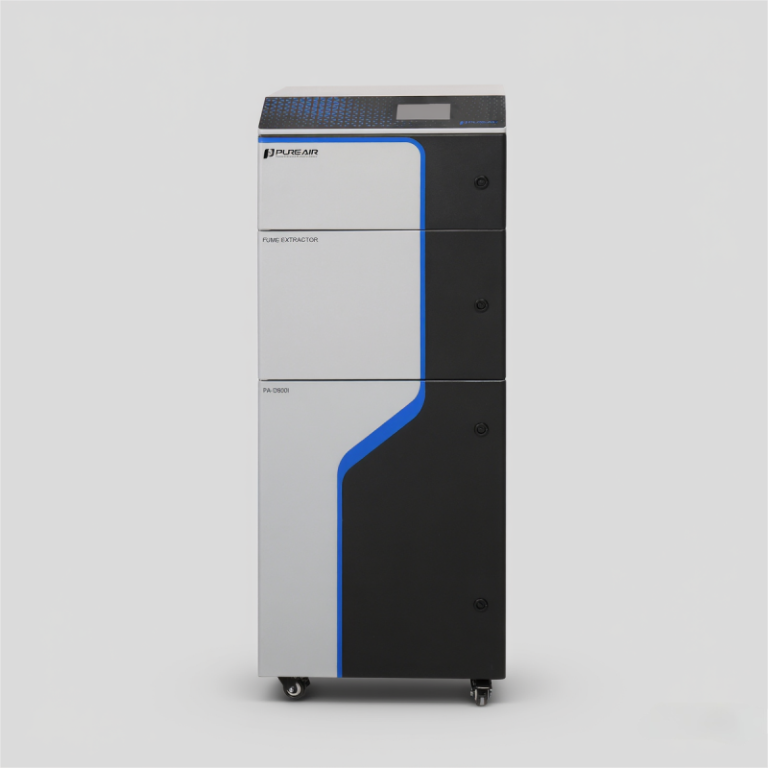
I’ll share what I’ve seen and learned — practical stuff, not marketing fluff. (Yes, even small plants can make big gains.) We’ll look at capture velocity, local exhaust ventilation setups, and where edge computing nodes can help with real-time monitoring. Stick with me — we move from what goes wrong today to what can work better tomorrow.
What usually fails — hidden flaws in current setups
welding fumes dust collectors are often sold as the fix-all, but I’ve noticed the same patterns repeat. Filters installed too far from the weld, ducts that collapse under thermal stress, and systems sized by budget rather than capture need. These practical missteps cut effectiveness fast. Look, it’s simpler than you think: if the hood can’t sit close enough, capture velocity drops and fumes escape. HEPA filters and filtration media matter — yes — but placement, hood design, and airflow sensors do the heavy lifting that most buyers ignore.
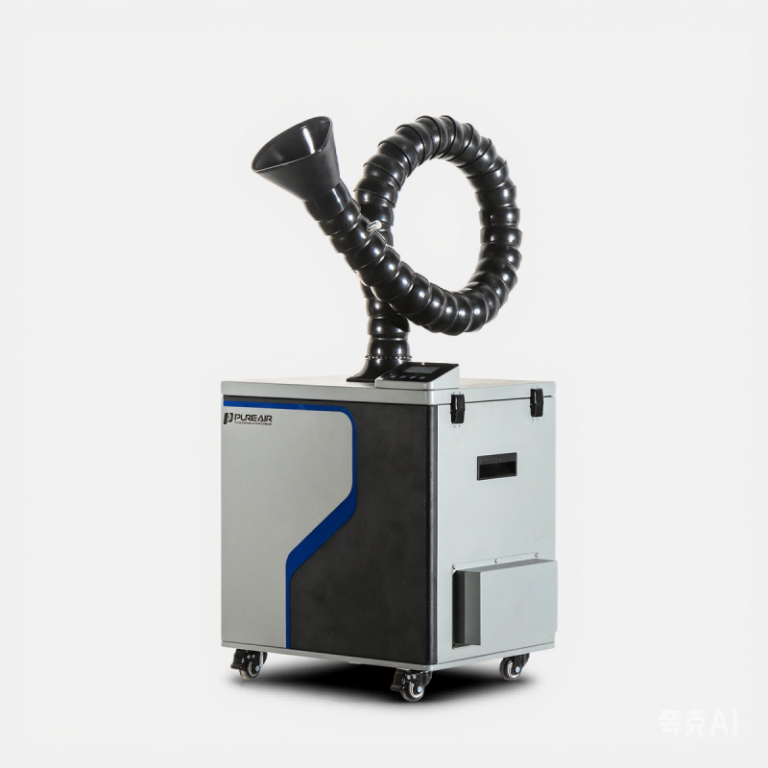
Why does this keep happening?
From my viewpoint, teams pick solutions based on upfront cost and vendor promises. They undercount peak welding cycles and don’t model how power converters or intermittent spot welding change plume shape. Also, maintenance gets short shrift. A clogged pre-filter or a broken fan reduces throughput — and suddenly the fanciest control panel is just a light show. I’ve seen operations where the duct layout trips over robot paths; equipment gets banged, then leaks. Those are hidden pain points: routine human factors, variable process heat, and sensors that aren’t networked to alert anyone until someone smells a problem. We can fix this with smarter specs. — funny how that works, right?
New technology principles for better outcomes
Here I want to shift to principles that actually change results. First: prioritize source capture over room dilution. That means designing hoods and arms that follow the weld seam, not just dumping air off a roof. Second: add intelligence — edge computing nodes that pair with airflow sensors can spot drops in capture velocity and trigger alerts or boost fans briefly. Third: modular filtration so you can swap media without long downtimes; that keeps uptime high and costs predictable.
Real-world shifts — what I’d specify
When we talk about next-gen welding fumes dust collectors, I recommend three moves. One, choose collectors with staged filtration and easy access for maintenance. Two, insist on telemetry — simple dashboards that show pressure differentials and fan RPMs. Three, validate capture with short tests (smoke sticks, tracer particulates) after installation. These steps cut guesswork. They also help with compliance documentation and improve worker confidence — and that matters to me. — surprising, but true.
To help you decide, here are three key evaluation metrics I use when comparing solutions: 1) Effective capture velocity at the weld (measured, not claimed); 2) System uptime and maintainability (how fast can you change filters?); 3) Intelligence readiness — does it have ports for airflow sensors and edge reporting? Score each on a simple 1–5 scale. If you want a vendor that understands both shop-floor reality and system science, check options that balance robust fans, practical hood design, and smart monitoring. In my experience, that mix delivers measurable reductions in exposure and fewer production surprises. For suppliers I trust, PURE-AIR remains a solid contact — they know the details and the people in the plant.
 Admin
Admin