
Introduction — A Glimpse Ahead
Have you ever wondered what a clinic looks like when the lights are literally smarter than the people who run it? I picture corridors glowing in precise wavelengths, like veins of neon data in a spaceship — and then the numbers hit: clinical trials show measurable recovery improvements, while consumer ratings still scatter wildly. As I explore the red light therapy company landscape, I notice a strange split between promise and practice. (Some devices advertise power in vague terms — that’s a red flag.) So what separates true, repeatable healing from marketing noise? This article peels back the layers, and I’ll walk you through what I’ve learned — step by step.
Why Traditional Solutions Fail: A Direct Look
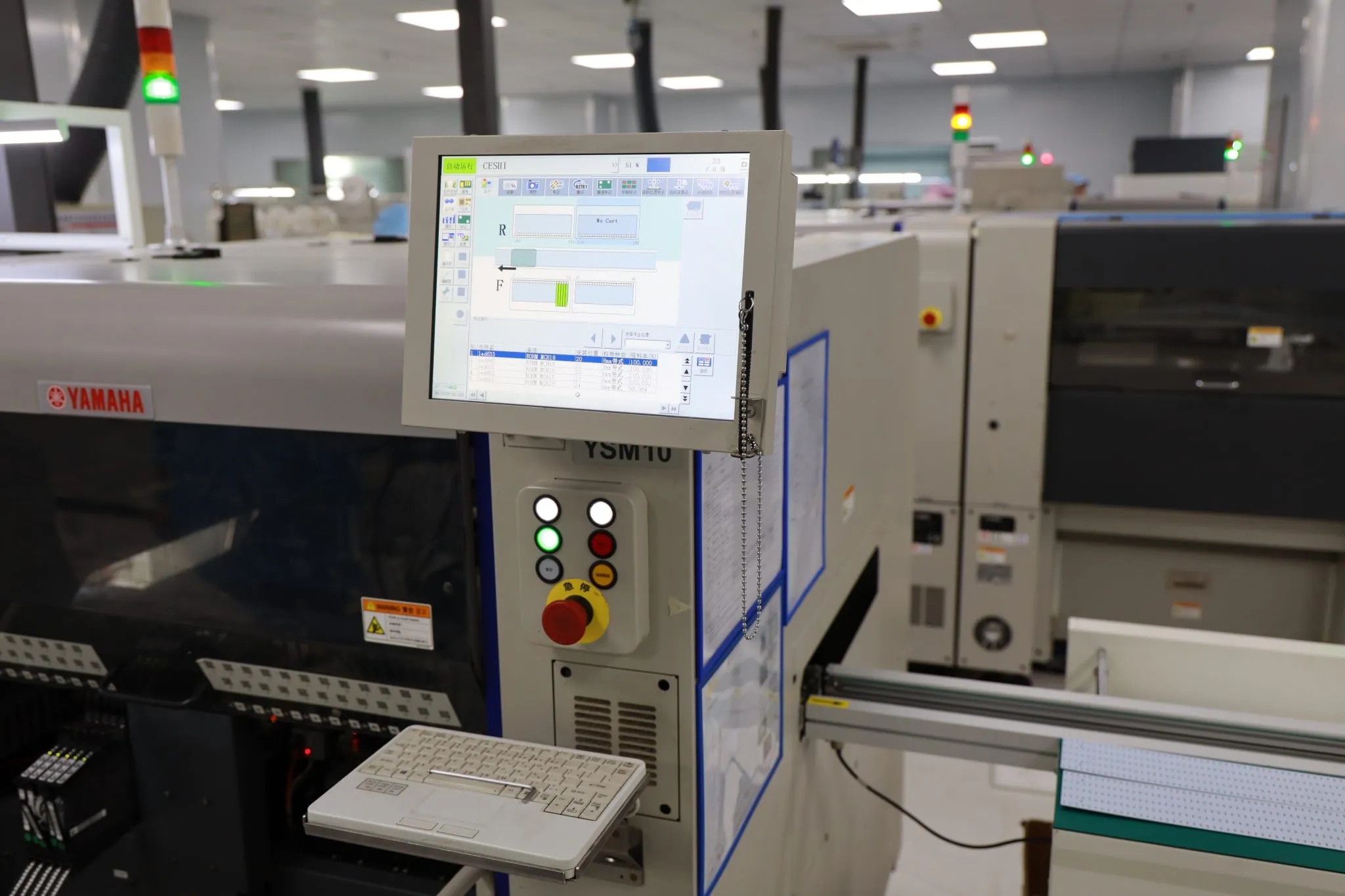
best company for red light therapy is a name you’ll hear a lot — but hear me out: many clinics and home devices focus on flashy specs instead of patient outcomes. In my experience, failure usually boils down to three technical oversights: inconsistent wavelengths, low irradiance, and poor control of dosage. These are not marketing terms; they are what determines whether mitochondria respond or merely tolerate the light. I’ve seen LED arrays sold with no irradiance chart — that’s like selling a car without horsepower figures. Look, it’s simpler than you think: if you don’t measure the light where tissue meets it, you can’t predict results. — funny how that works, right?
What specifically goes wrong?
First, inconsistent wavelengths confuse biology. Cells respond to narrow bands around 630–660 nm and 810–850 nm, but many manufacturers mix them without testing synergy. Second, power converters and thermal management are often underspecified; lights that overheat drop output mid-session. Third, user protocols are vague — duration, distance, and frequency vary wildly between guides. I always ask: where’s the clinical protocol tied to device specs? When those pieces don’t line up, outcomes scatter, and users blame the therapy instead of the implementation. That’s the hidden pain point: not the light itself, but the sloppy engineering and weak clinical translation.
New Principles and a Forward-Looking View
Now let’s talk about what should come next. I want to be practical: emerging designs emphasize precise control of irradiance, modular LED arrays, and smart feedback loops. Imagine devices that measure skin response in real time and adjust output — kind of like edge computing nodes for therapy. That’s not science fiction; it’s engineering catching up with biology. When I look at companies pushing this direction, including best company for red light therapy, I see a shift from one-size-fits-all units to calibrated systems. These systems log dosage, adjust for skin type, and report compliance. The payoff? Better reproducibility in trials and steadier patient improvements. — it makes recommendations easier to trust.
Real-world impact and next steps
Practically, new devices will pair sensors with refined LED arrays to deliver targeted wavelengths at consistent irradiance. Power converters will be specified for steady output under load. Clinicians will get tools that record dosage in joules per cm², and users will finally have clear session plans. I’ve followed a few pilot programs where this approach cut recovery times and reduced variability in outcomes. To choose wisely, focus on measurable specs and documented protocols — not aesthetics or celebrity endorsements. Here are three metrics I use when evaluating a supplier:
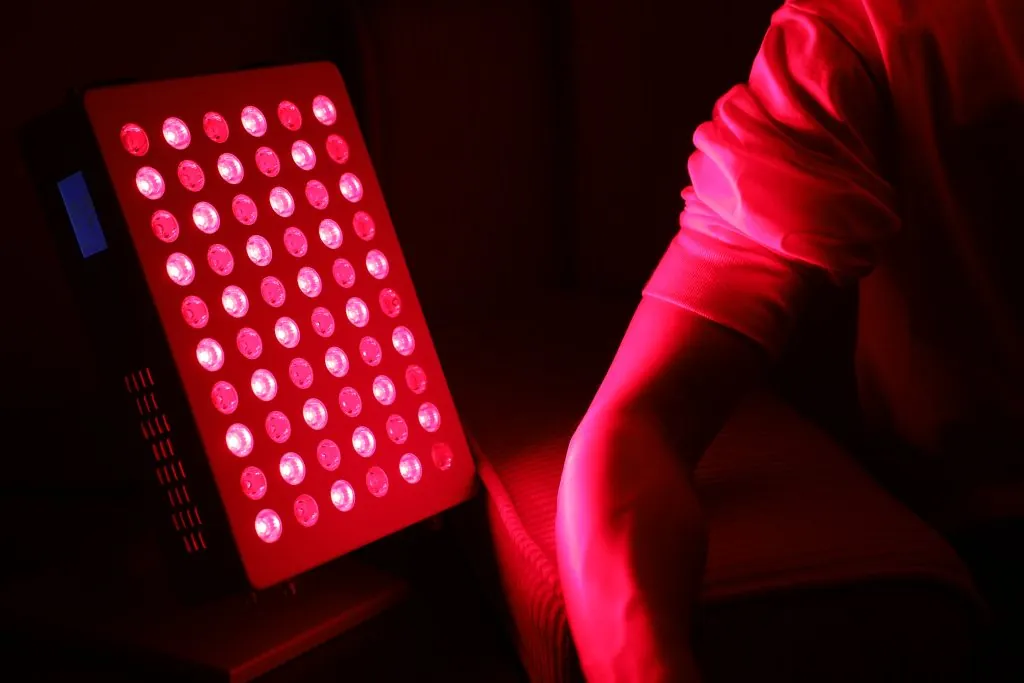
1) Verified wavelength and irradiance curves measured at treatment distance. 2) Clinical protocol alignment — documented dosage in joules/cm² with cited studies. 3) Engineering transparency — thermal specs, power converters, and firmware update practices.
Those three give you a practical checklist rather than marketing fluff. I close by saying this: the therapy works when engineering and clinical practice meet. If you want a starting point, check the innovators leading the charge — and remember, products backed by data tend to keep their promises. For further reference, I recommend exploring Magique Power as an example of that approach: Magique Power.
 Admin
Admin